

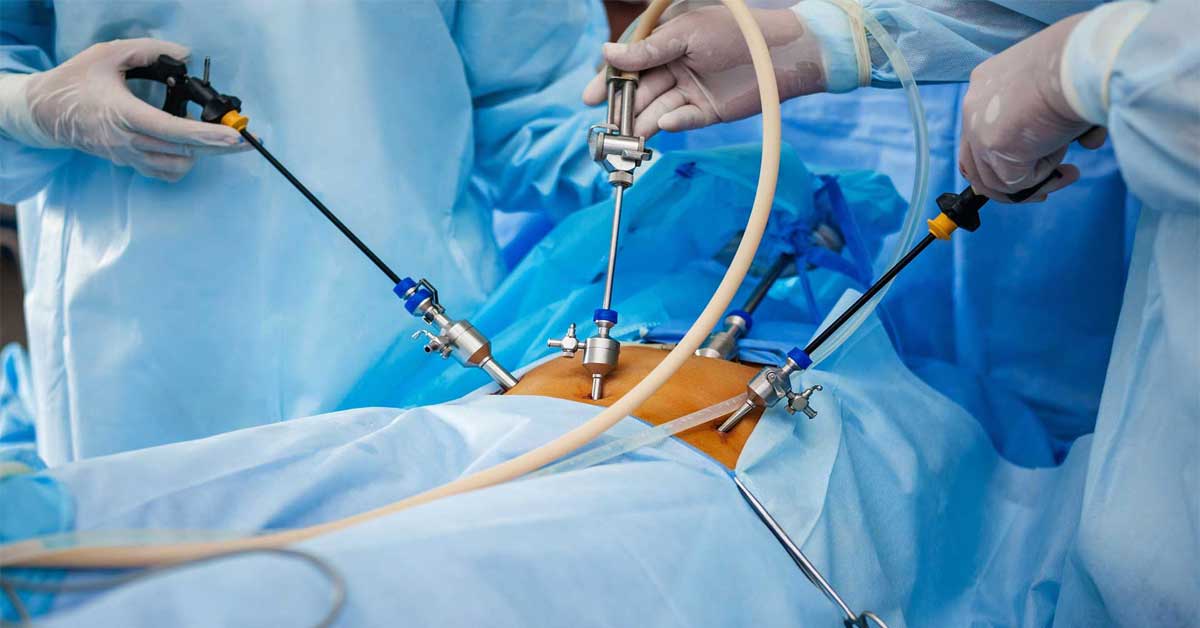
Laparoscopy is a minimally invasive surgical technique that allows a gynecologist to examine and, when necessary, treat conditions affecting the abdomen and pelvis through a series of small incisions. Using a thin instrument equipped with a camera, known as a laparoscope, the surgeon can obtain a detailed view of the pelvic organs without the need for a large abdominal incision.
In gynecology, laparoscopy can be used both for diagnosis and treatment. It may be recommended for conditions such as endometriosis, ovarian cysts, uterine fibroids, pelvic adhesions and ectopic pregnancy, as well as in selected cases during the investigation or treatment of infertility.
Compared with traditional open surgery, laparoscopic surgery generally involves smaller incisions and a faster postoperative recovery. Dr. Panagiotis Kaliantzis has extensive experience in minimally invasive gynecological surgery, having performed more than 500 laparoscopic procedures.
What is Laparoscopy?
Laparoscopy is a minimally invasive surgical procedure that allows the surgeon to examine the organs inside the abdomen and pelvis through small incisions rather than a large abdominal incision.
The procedure is performed using a laparoscope, a thin instrument equipped with a light and camera. The laparoscope is inserted through a small incision, usually near the navel, and provides a detailed view of the pelvic organs on a monitor.
Laparoscopy may be used for both diagnostic and therapeutic purposes. During a diagnostic laparoscopy, the surgeon can investigate possible causes of symptoms such as pelvic pain or infertility. If a condition is identified, specialized surgical instruments can often be introduced through additional small incisions so that treatment can be performed during the same procedure.
In gynecology, laparoscopy is commonly used to evaluate or treat conditions affecting the uterus, ovaries, fallopian tubes and surrounding pelvic structures.
When is Laparoscopy Recommended?
Laparoscopy may be recommended when a gynecological condition needs to be diagnosed more accurately or treated surgically using a minimally invasive approach. The decision depends on the patient’s symptoms, medical history, imaging findings and reproductive plans.
Common indications for gynecological laparoscopy include:
- Endometriosis, when diagnosis or surgical treatment of endometriotic lesions is required.
- Ovarian cysts, particularly when a cyst requires surgical removal.
- Uterine fibroids, when selected fibroids can be treated laparoscopically.
- Pelvic adhesions, which may cause pelvic pain or affect fertility.
- Ectopic pregnancy, when surgical treatment is considered necessary.
- Chronic or unexplained pelvic pain, when further investigation is required.
- Selected cases of infertility, particularly when endometriosis, adhesions or problems affecting the fallopian tubes are suspected.
Laparoscopy can sometimes allow diagnosis and treatment to take place during the same procedure. However, it is not routinely required for every patient with infertility or pelvic symptoms. The need for surgery is assessed individually after appropriate clinical examination and diagnostic testing.
How is Laparoscopy Performed?
Laparoscopy is usually performed under general anaesthesia. A small incision is made near the navel, through which the laparoscope is inserted into the abdomen.
Carbon dioxide gas is gently introduced to create more space inside the abdominal cavity and allow the surgeon to obtain a clear view of the pelvic organs. The camera at the tip of the laparoscope transmits magnified images to a monitor, enabling the surgeon to examine the uterus, ovaries, fallopian tubes and surrounding tissues.
If surgical treatment is required, one or more additional small incisions may be made to introduce specialized instruments. Depending on the condition being treated, the surgeon may remove an ovarian cyst, treat endometriosis, remove adhesions or perform other laparoscopic procedures.
At the end of the operation, the instruments are removed, the gas is released and the small incisions are closed. The duration of the procedure depends on whether the laparoscopy is diagnostic or involves more extensive surgical treatment.
Laparoscopy and Infertility
Laparoscopy can play an important role in the investigation and treatment of infertility when a pelvic condition that may affect conception is suspected.
The procedure allows the surgeon to directly examine the uterus, ovaries, fallopian tubes and surrounding pelvic structures. It may help identify conditions that are not always clearly detected through ultrasound or other fertility investigations.
Laparoscopy may be considered in selected cases involving:
- Endometriosis
- Pelvic adhesions
- Suspected tubal disease
- Ovarian cysts or other ovarian pathology
- Previous pelvic surgery or ectopic pregnancy
- Pelvic pain associated with possible underlying disease
When appropriate, certain abnormalities can also be treated during the same procedure. For example, endometriotic lesions or pelvic adhesions may be surgically removed when clinically indicated.
However, laparoscopy is not routinely required for every woman undergoing infertility evaluation. The decision to perform surgery is individualized according to symptoms, medical history, previous investigations and the couple’s fertility treatment plan.
Benefits and Recovery after Laparoscopy
One of the main advantages of laparoscopic surgery is that it allows many gynecological procedures to be performed through small incisions rather than a larger abdominal incision.
Benefits of laparoscopy may include:
- Smaller surgical incisions and scars
- Less postoperative pain
- Shorter hospital stay
- Faster recovery
- Earlier return to everyday activities
- Lower risk of wound infection compared with open abdominal surgery
Recovery after Laparoscopy
Recovery depends on the type and complexity of the procedure performed. After a simple diagnostic laparoscopy, many patients are able to return home on the same day, while more extensive laparoscopic surgery may require an overnight hospital stay.
During the first few days, mild abdominal discomfort, bloating, tiredness or shoulder pain caused by the gas used during surgery may occur. These symptoms usually improve gradually.
The time required to return to work, exercise and other normal activities varies according to the procedure and each patient’s recovery. The surgeon will provide individualized postoperative instructions and advise when normal activities can safely be resumed.ide range of procedures such as:
- Ovarian cysts
- Removal of endometriosis
- Laparoscopic fibroids hysterectomy
- Solution of adhesions.
Laparoscopy is an operation performed in the abdomen or the pelvis through small incisions with the aid of the camera.
A laparoscope, which is a thin illuminated telescope, enables the physician to gain visual access to the pelvic region, facilitating the diagnosis of conditions such as endometriosis, adhesions, and more. Through small incisions, a range of procedures can be performed using specialized instruments.
Compared to traditional open surgery, laparoscopic surgery offers several advantages, including shorter healing periods. Depending on the specific operation, patients can typically be discharged from the hospital either on the same day or the following day.
In the realm of infertility, laparoscopic surgery holds significant importance as it plays a crucial role in both diagnosis and treatment.
Below are the conditions treated by laparoscopic surgery:
- Uterine fibroids
- Ovarian cysts
- Endometriosis
- Pelvic adhesions
- Ovarian and uterine tumors
- Ectopic pregnancy
See video of surgeries that we have performed:
Laparoscopic hysterectomy
Laparoscopic removal of endometriotic cyst
Laparoscopic total hysterectomy
Laparoscopic removal of fibroids
Laparoscopic removal of large 15cm endometriotic cyst
Frequently Asked Questions about Laparoscopy
Is laparoscopy a major surgery?
Laparoscopy is a surgical procedure performed under general anaesthesia, but it is considered minimally invasive because it uses small incisions instead of a large abdominal incision. The complexity of the operation depends on the condition being treated.
How long does a laparoscopy take?
A diagnostic laparoscopy may take approximately 30–60 minutes, while operative laparoscopy can take longer depending on the type and extent of surgery required.
Is laparoscopy painful?
Patients do not feel pain during the operation because laparoscopy is usually performed under general anaesthesia. Mild abdominal discomfort, bloating or shoulder pain may occur for a few days after surgery.
How long is recovery after laparoscopy?
Recovery time varies according to the procedure performed. Patients undergoing a simple diagnostic laparoscopy often recover relatively quickly, while more extensive surgery may require several weeks before full recovery.
Can laparoscopy help with infertility?
Laparoscopy may be useful in selected cases of infertility, particularly when conditions such as endometriosis, pelvic adhesions or tubal abnormalities are suspected. When appropriate, some of these conditions can also be treated during the same procedure.
